what is UI / UX Design? differences and benefits
UI (User Interface) Design and UX (User Experience) Design are two crucial components in the creation of digital products, but they focus on different aspects of the user’s interaction with a product. Here’s a breakdown of the differences and benefits of each:
UI (User Interface) Design
Definition: UI design is the process of designing the visual and interactive elements of a digital product, such as a website or app. It focuses on how users interact with the interface and includes aspects like layout, colors, typography, buttons, and icons.
UI Principles
- Consistency: Ensure a uniform look and feel across the product to avoid confusing users.
- Simplicity: Keep designs straightforward and uncluttered to enhance usability.
- Feedback: Provide immediate feedback for user actions to confirm their input or highlight errors.
- Visual Hierarchy: Organize elements to guide users' attention and actions effectively.
- Accessibility: Design interfaces that are usable by people with various disabilities.
Benefits
- Visual Appeal: Creates an attractive and engaging interface that draws users in.
- Intuitive Interaction: Simplifies user interaction through clear and consistent design elements.
- Brand Recognition: Reinforces brand identity through visual elements.
- Enhanced Engagement: Improves user interaction and satisfaction through thoughtful design.
UX (User Experience) Design
Definition: UX design focuses on the overall experience a user has with a product. It encompasses the entire user journey, from first impressions to ongoing interactions, and aims to improve the product's usability, functionality, and satisfaction.
UX Principles
- User-Centered Design: Focus on understanding and addressing users' needs and behaviors.
- Usability: Ensure the product is easy to use and navigate.
- Empathy: Design with the user's emotions and challenges in mind.
- Accessibility: Make the product usable for everyone, including those with disabilities.
- Iterative Design: Continuously test, gather feedback, and improve the design.
Benefits
- Enhanced Usability: Makes the product easier and more intuitive to use.
- Increased Satisfaction: Leads to a more positive user experience by addressing pain points.
- Efficient Problem Solving: Identifies and resolves usability issues before launch
- Higher Retention: Encourages continued use and loyalty through a positive experience.
Differences Between UI and UX Design
- Focus:
- UI Design: Concerned with the look and feel of the product—how it looks and how users interact with its visual elements.
- UX Design: Concerned with the overall experience of the user—how easy and satisfying it is to use the product.
- Scope:
- UI Design: Deals with specific design elements like buttons, typography, and color schemes.
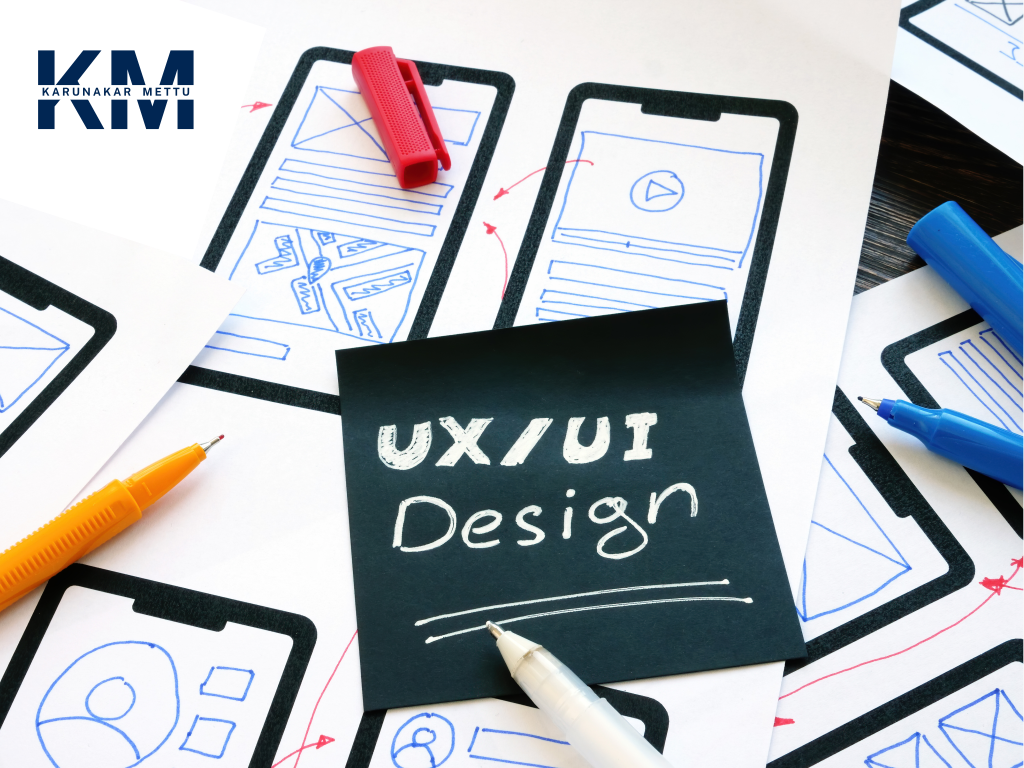
- UX Design: Encompasses the entire user journey, including research, wireframing, prototyping, and user testing.
- Objectives:
- UI Design: Aims to create visually appealing and interactive elements.
- UX Design: Aims to ensure the product is user-friendly and meets users' needs effectively.
Why is UI/UX Development Essential for Business Growth?
- UI/UX development is crucial for business growth because it fundamentally enhances user satisfaction and engagement, leading to increased loyalty and higher conversion rates.
- By creating intuitive and visually appealing interfaces, businesses can ensure that users have a seamless and enjoyable experience, which not only drives user retention but also boosts brand credibility.
- Effective UI/UX design reduces the need for costly revisions and support by minimizing user errors and confusion, thus lowering overall development and support costs.
- Additionally, a strong UI/UX foundation helps businesses stand out in a competitive market, facilitates scalability, and drives innovation by leveraging user insights.
- Ultimately, investing in high-quality UI/UX design fosters better customer relationships, demonstrates a commitment to inclusivity, and positions a business for long-term success.
Conclusion
In summary, UI design enhances the aesthetic and interactive aspects of a product, while UX design focuses on the overall usability and user satisfaction. Both disciplines are crucial and complementary, working together to create a product that is both visually appealing and highly functional.
Turn to me for your UI/UX development needs and ensure your application look rich in content and flow. To discuss more about your business website and to get a detailed quote, book a consultation with me today.